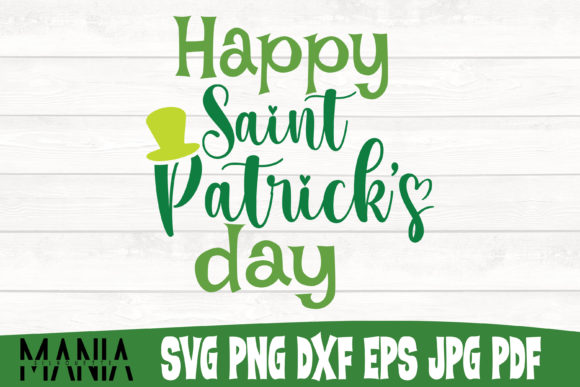
Evaluating the Happy Saint Patrick's Day SVG Cut File for Professional and Hobbyist Projects
Selecting the right digital assets for seasonal crafting projects requires more than just finding an image that looks festive. For adults engaged in DIY culture, small business ownership, or professional design, the utility of a file extends far beyond its visual appeal. A Happy Saint Patrick's Day SVG cut file represents a specific category of vector resource designed to bridge the gap between creative concept and physical production. Unlike standard raster images found on stock photography sites, these files are engineered for precision cutting, layering, and scalability. Understanding the distinct advantages of this format, along with its limitations compared to other file types, is essential for making an informed decision about which resources to integrate into your workflow.
The Strategic Value of Vector Formats in Seasonal Crafting
The primary distinction of a high-quality SVG (Scalable Vector Graphics) file lies in its mathematical construction. While a JPEG or PNG relies on a fixed grid of pixels that can become blurry or pixelated when enlarged, an SVG uses paths and points. This structural difference means that a Happy Saint Patrick's Day SVG cut file can be resized from a tiny icon on a baby onesie to a massive banner for a storefront window without any loss in resolution or edge definition. This "infinite expandability" is not merely a marketing claim but a technical reality that dictates the file's versatility.
When evaluating a pack that includes not only the SVG but also PNG, EPS, DXF, and PDF formats, you are essentially acquiring a comprehensive toolkit. The inclusion of a transparent background PNG is crucial for sublimation printing or digital mockups where vector paths are unnecessary. Meanwhile, the EPS file serves as a universal vector standard compatible with older versions of design software or specific industrial printers that may not accept native SVG data. The presence of a DXF file is particularly notable for users of basic cutting machines that do not support SVG natively, ensuring that the design remains accessible regardless of hardware limitations.
Comparing File Types: When to Use Which Format
To maximize the value of a premium clip art pack, it is helpful to understand the specific use cases for each included format. This comparison helps determine if a single purchase meets all your project requirements or if additional resources are needed.
- SVG: Best for modern cutting machines like Cricut Explore and Silhouette Cameo. It preserves layers, allowing you to separate colors for multi-material cuts (e.g., cutting green shamrocks from vinyl and white text from heat transfer film).
- PNG: Ideal for print-on-demand services, sublimation, or web graphics where a transparent background is required but vector editing is not.
- EPS: The industry standard for professional graphic designers using Adobe Illustrator or CorelDRAW who need to manipulate anchor points extensively before sending to a large-format printer.
- DXF: A necessary alternative for users with older software versions or specific plotters that struggle with complex SVG code.
- PDF: Useful for quick viewing, client proofs, or standard home/office printing where cutting is not the primary goal.
Software Compatibility and Workflow Integration
A significant factor in choosing a digital asset pack is its compatibility with your existing software ecosystem. A robust Happy Saint Patrick's Day SVG cut file pack is designed to function seamlessly across a wide spectrum of applications. For hobbyists using dedicated crafting software like Silhouette Studio, Cricut Design Space, Sure Cuts A Lot, or Make The Cut, the SVG format allows for direct import and immediate manipulation. The ability to ungroup elements and access continuously tested layers means you can customize the design without needing advanced vector editing skills.
For professionals operating within the Adobe Creative Cloud suite, the inclusion of EPS and high-resolution JPEGs ensures smooth integration into Adobe Illustrator, Photoshop, and even motion graphics tools like After Effects. This cross-platform compatibility eliminates the friction of converting files, which often introduces errors or degrades quality. Furthermore, the mention of compatibility with 3D editing software suggests that these textures and shapes can be extruded or mapped onto 3D models, expanding the potential application beyond flat materials to signage, product rendering, and animated content.
Layer Management and Design Flexibility
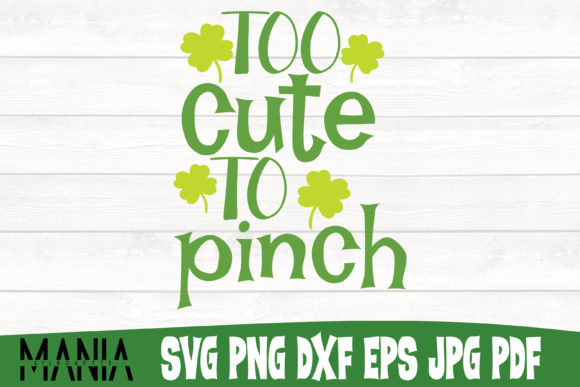
One of the most critical yet often overlooked aspects of a cut file is its internal organization. Meticulously crafted files feature well-defined layers that correspond to logical design elements. In the context of a St. Patrick's Day design, this might mean separate layers for the text "Happy Saint Patrick's Day," the shamrock graphics, pot-of-gold accents, and background flourishes.
This level of organization offers several practical benefits:
- Material Efficiency: You can choose to cut only specific elements, reducing waste when working with expensive materials like glitter vinyl or specialty heat transfer.
- Color Customization: Layers allow you to easily swap color assignments in your software to match specific brand guidelines or personal preferences without redrawing the image.
- Complexity Control: For intricate designs, being able to hide or lock certain layers simplifies the workspace, making the design process less overwhelming.
Assessing Limitations and Decision Factors
While a comprehensive pack containing SVG, PNG, EPS, DXF, and JPEG files offers immense flexibility, it is important to recognize when this type of resource is the right fit and when an alternative approach might be preferable. The "infinite expandability" of vector files is a strength, but it does not automatically guarantee aesthetic suitability for every medium. For instance, while a vector file can technically be scaled to the size of a building wrap, the intricacy of the original design (such as fine lines in a shamrock or small text) may not translate well to large distances where visibility is key. In such cases, simplifying the design or choosing a bolder style might be necessary, regardless of the file format.
Additionally, users must consider their hardware capabilities. While the files are compatible with a vast list of devices ranging from the Cricut Explore to industrial engravers, the physical limitations of the machine still apply. A home desktop cutter cannot handle the same material thickness or sheet size as a commercial plotter. Therefore, while the Happy Saint Patrick's Day SVG cut file removes digital limitations, it does not override physical constraints. Users intending to use these files for iron-on applications should verify that their specific heat press or household iron can achieve the temperature and pressure required for the chosen material, as the file format itself does not influence the adhesion properties of the vinyl.
Making the Right Choice for Your Project Scope
Ultimately, the decision to utilize a premium, multi-format clip art pack depends on the scope and variety of your projects. If you are a small business owner creating a diverse range of products—from t-shirts and mugs to stickers and signage—investing in a pack that offers total control over design elements is highly advantageous. The ability to edit, resize, and reconfigure the artwork without purchasing multiple licenses for different formats provides long-term value.
However, if your needs are singular and static—for example, printing one specific poster for a party—a simpler, single-format raster image might suffice. Yet, for those who value future-proofing their design library and maintaining the freedom to adapt creations as trends or client needs evolve, the versatility of a well-layered, multi-format SVG pack remains a superior choice. It empowers creators to move beyond the limitations of pre-set cartridges or rigid templates, fostering a more authentic and customized creative output.