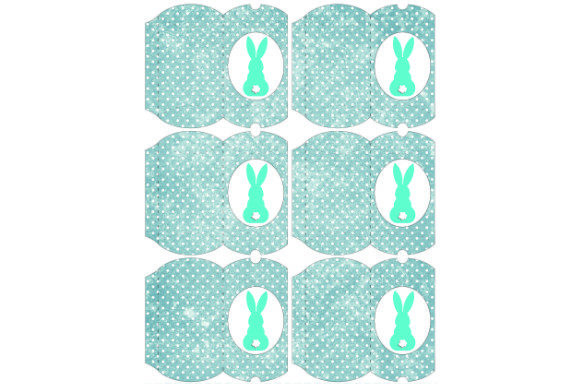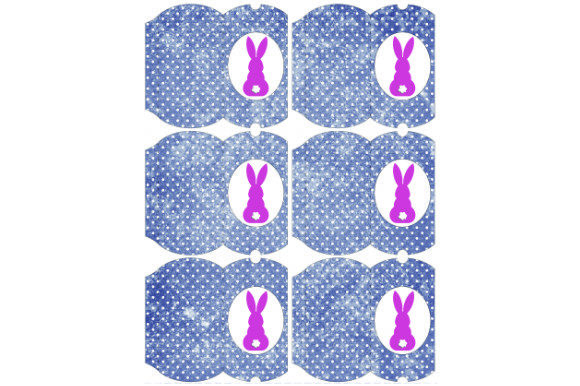
Evaluating the Practicality of Pillow Boxes Bunny B.7. for Small-Scale Packaging
In the realm of small business operations and event planning, the details often dictate the perceived value of a product or experience. Packaging is rarely just a container; it is the first physical touchpoint a customer or guest has with a brand or host. For professionals managing tight margins or intricate logistics, finding packaging solutions that balance aesthetic appeal with functional efficiency is a constant challenge. The Pillow Boxes Bunny B.7. set represents a specific category of digital asset designed to address these needs through printable, DIY packaging. This analysis examines the utility, design constraints, and practical applications of this six-box set to determine its viability for various professional and personal workflows.
Design Specifications and Physical Dimensions
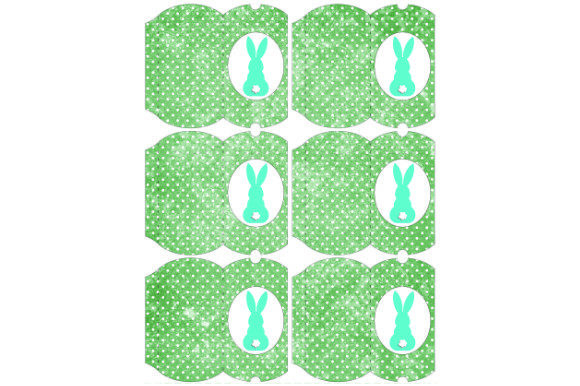
Understanding the physical reality of a digital template is crucial before committing to a print run. The Pillow Boxes Bunny B.7. file provides a high-resolution JPEG at 300 DPI, which is the industry standard for crisp printing. However, the true measure of its usefulness lies in its dimensions once assembled. The finished box measures approximately 7cm in outer edge length, with a center length of 5.5cm, a breadth of 4.5cm, and a height of 1.8cm.
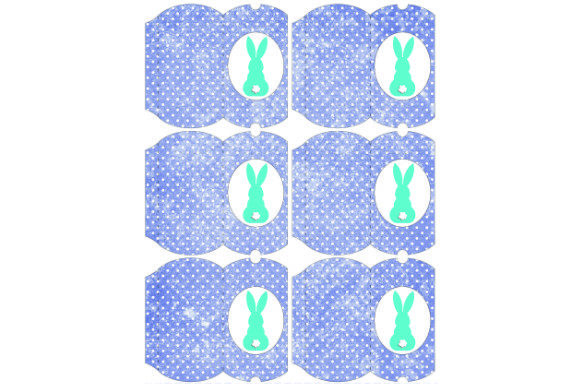
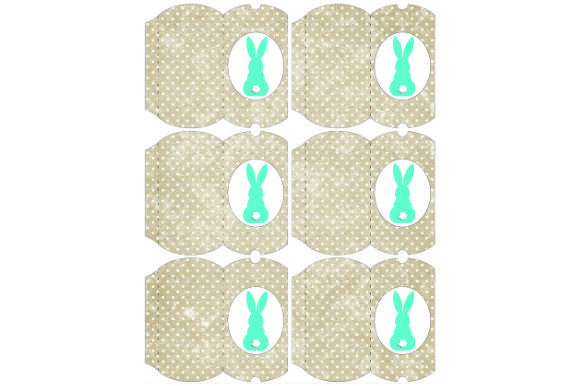
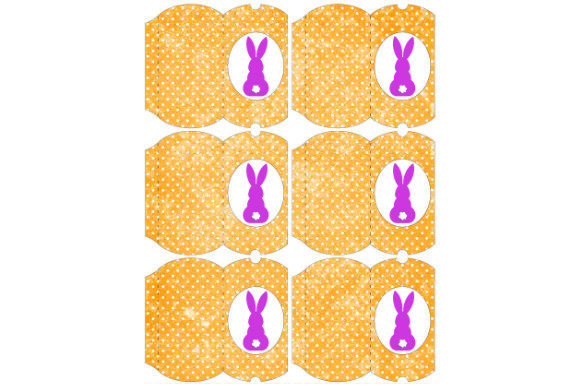
These dimensions classify the item strictly as a miniature container. With a height of under 2cm, the internal volume is limited. This makes the design unsuitable for bulky items but highly effective for flat or small volumetric goods. Professionals should view this not as a general-purpose box, but as a specialized vessel for specific contents such as single chocolates, tea bags, small jewelry pieces like stud earrings, confetti, or seed packets. The "Bunny" designation suggests a thematic design element, likely featuring illustrative motifs that align with spring seasons, Easter celebrations, or brands utilizing soft, approachable animal imagery.
Workflow Integration and Production Efficiency
For entrepreneurs and freelancers, time is a non-renewable resource. The value proposition of the Pillow Boxes Bunny B.7. set hinges on the speed of production relative to the quality of the output. The workflow involves printing the high-resolution file, cutting along the designated lines, folding, and adhering the sides and bottom. The top remains open, secured optionally with stickers or tape.
From an operational standpoint, this process offers flexibility but requires manual labor. Unlike pre-assembled boxes purchased in bulk, these require assembly time. For a small batch—such as a set of six for a bridal shower favor or a limited edition product drop—the time investment is negligible and may even add a "handcrafted" premium to the final product. However, for high-volume e-commerce fulfillment, the manual folding and gluing process could become a bottleneck. The instruction to "glue sides and bottom together" implies a need for adhesive application, which adds a step compared to self-locking tab designs. Users must factor in drying time and the consistency of their glue application to ensure structural integrity.
The use of a JPEG file format also presents specific considerations. While 300 DPI ensures quality, JPEGs are raster images. If a user intends to scale the design significantly beyond the intended size, pixelation may occur. However, for the specified dimensions, the resolution is more than adequate for home printers or local print shops using standard cardstock.
Material Compatibility and Aesthetic Customization
The effectiveness of any printable box is heavily dependent on the substrate used. To achieve the structural rigidity required for a pillow box shape, users should pair the Pillow Boxes Bunny B.7. printout with cardstock ranging from 200gsm to 300gsm. Lighter paper may result in a box that collapses under the weight of its contents or fails to maintain the characteristic curved "pillow" shape when the tabs are folded.
One of the distinct strengths of this digital asset is its potential for customization. The instructions explicitly encourage decorating with ribbon, lace, buttons, or flowers. This modularity allows marketers and creators to adapt a single base design to multiple campaigns. For instance, a wedding planner could use the bunny motif for a spring wedding but alter the ribbon color to match specific bridal party attire. Similarly, a small business owner selling artisanal soaps could stamp a logo over the design or tie a branded tag to the closure. This adaptability extends the lifecycle of the asset, allowing it to serve diverse branding needs without requiring a new design commission for every variation.
Target Audience and Strategic Applications
Identifying the right use case is essential for maximizing the return on investment for this digital download. The Pillow Boxes Bunny B.7. set is particularly well-suited for several distinct groups:
- Event Planners and Coordinators: For bridal showers, baby showers, and weddings, these boxes serve as excellent favor containers. Their small size keeps costs low while allowing for a personalized touch that mass-produced plastic favors lack.
- Boutique Retailers and Makers: Sellers of handmade jewelry, confectioneries, or organic teas can use these to package sample sizes or limited-edition gifts. The "cute" aesthetic aligns well with brands targeting a younger demographic or those emphasizing whimsy and charm.
- Educators and Community Leaders: In classroom settings or community workshops, these boxes can be used as craft projects themselves or as containers for small rewards and treats.
- Marketing Professionals: For direct mail campaigns or influencer kits, including a small, beautifully packaged treat can increase engagement rates. The tactile nature of a physical box often creates a stronger emotional connection than digital communication alone.
Limitations and Practical Considerations
While the Pillow Boxes Bunny B.7. offers significant creative potential, it is not without limitations that users must acknowledge. The primary constraint is capacity. As noted, the 1.8cm height restricts the type of products that can be housed. Attempting to force larger items into the box will compromise the structural integrity, causing the seams to burst or the shape to distort. Furthermore, the open-top design, while convenient for filling, relies on external securing methods (stickers or tape) for closure. In a shipping environment, this could be a vulnerability if the adhesive fails during transit. It is best reserved for hand-delivered items or secondary packaging within a larger, protective shipping box.
Additionally, the reliance on a specific theme ("Bunny") may limit the temporal relevance of the design. While versatile enough for general gift-giving, the imagery is most potent during spring months or specific holidays. Users looking for year-round neutral packaging might find the thematic elements too specific, unless they are comfortable obscuring parts of the design with labels or overlays.
Final Assessment of Value and Usability
The Pillow Boxes Bunny B.7. set serves as a pragmatic tool for those who prioritize customization and cost-efficiency over sheer volume and automation. Its value lies not in the complexity of the design, but in its accessibility and the professional finish it can provide when executed with care. For the serious hobbyist or the small business owner, it eliminates the need for expensive custom die-cutting runs for small quantities. The high-resolution file ensures that the final product does not look "homemade" in a negative sense, but rather "artisanal."
When evaluating whether this asset fits a specific workflow, the decision comes down to the balance between labor and presentation. If the goal is to create a memorable unboxing experience for a niche audience where the personal touch is a selling point, this template is an excellent choice. However, for high-velocity logistics or products requiring robust protection, traditional pre-formed packaging remains the superior option. Ultimately, the Pillow Boxes Bunny B.7. is a testament to how digital assets can empower creators to produce high-quality physical goods with minimal overhead, provided the limitations of scale and assembly are respected.