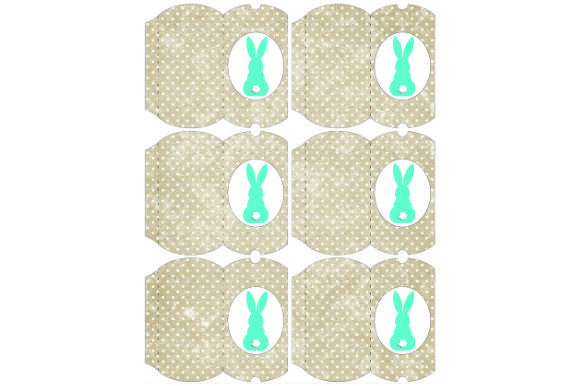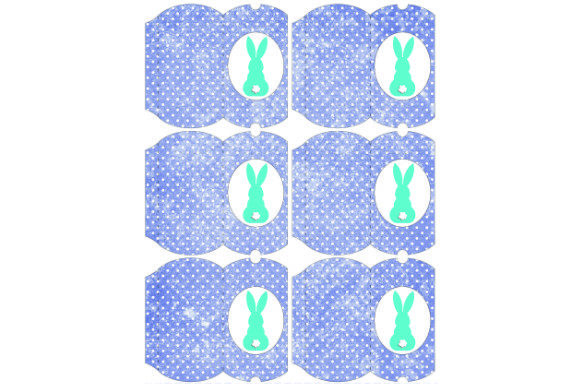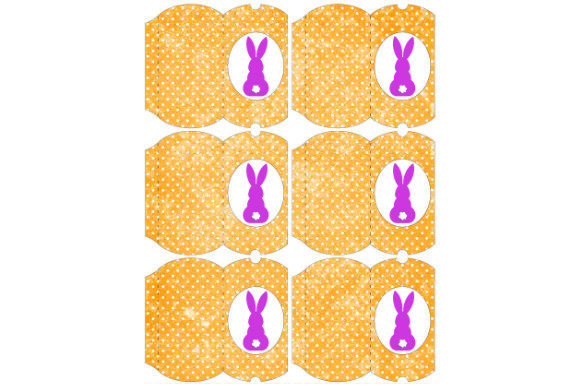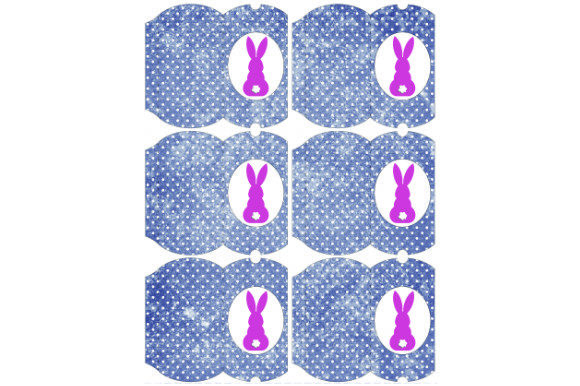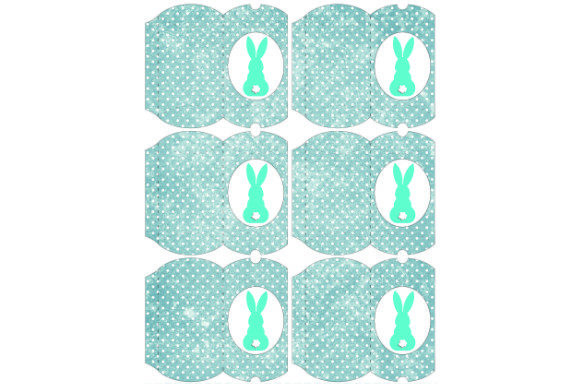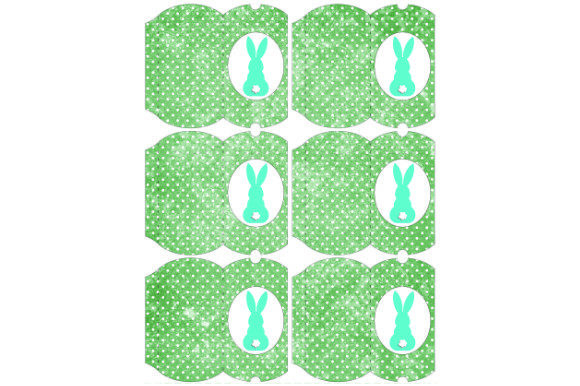
Streamlining Gift Packaging Workflows with Pillow Boxes Bunny a.19.
In the landscape of small business operations, event planning, and creative entrepreneurship, the details often dictate the success of a project. While high-level strategy drives revenue, the tactile elements of delivery—how a product is presented or how a favor is received—solidify brand perception and guest experience. Pillow Boxes Bunny a.19. represents a specific, high-utility asset within this ecosystem: a set of six tiny, printable pillow boxes designed to optimize the packaging phase of various workflows. For professionals managing tight deadlines and limited resources, integrating digital printables like this into a broader production process offers a balance of customization, cost-efficiency, and speed that pre-manufactured solutions often cannot match.
Understanding where this asset fits requires looking beyond the final folded product to the entire lifecycle of a gifting or packaging task. Whether you are a wedding coordinator finalizing confetti holders, a boutique owner preparing sample kits, or an educator organizing classroom rewards, the implementation of Pillow Boxes Bunny a.19. serves as a critical node in your operational chain. It bridges the gap between digital design files and physical deliverables, allowing for seamless integration into existing printing and assembly pipelines.
Strategic Integration into Project Phases
The utility of these printable boxes extends across multiple stages of a project, functioning differently depending on whether you are in the planning, execution, or fulfillment phase. In the planning stage, utilizing a digital file allows for precise inventory management. Unlike ordering bulk physical boxes that may arrive damaged or in incorrect quantities, a digital asset ensures you can produce exactly what is needed, reducing waste and storage overhead. The file, provided as a high-resolution 300 DPI JPEG, is ready for immediate deployment in standard design software or direct printing, eliminating the need for complex vector conversion or redesign.
During the execution phase, these boxes act as a flexible component. For event planners managing bridal showers or baby showers, the ability to print on demand means last-minute changes to guest counts do not result in logistical nightmares. If an unexpected plus-one is added to a guest list, the workflow simply involves printing another sheet and folding an additional unit. This agility is crucial for professionals who must adapt to changing variables without compromising quality. Furthermore, the "Bunny" theme suggests a seasonal or thematic alignment, making it particularly effective for spring events, Easter promotions, or any campaign requiring a soft, approachable aesthetic.
In the fulfillment and delivery stage, the assembled box becomes the primary touchpoint for the recipient. The dimensions—approximately 7cm in outer edge length, 5.5cm in center length, 4.5cm in breadth, and 1.8cm in height—are engineered for small-scale items. This makes them ideal for holding candies, jewelry samples, seeds, or confetti. By controlling the packaging material and decoration, businesses maintain consistency in branding. A marketer might use this space to reinforce a campaign message through custom stickers or ribbon choices, turning a simple container into a branded communication tool.
Workflow Compatibility and Technical Specifications
Successful implementation of Pillow Boxes Bunny a.19. relies on understanding its technical requirements and how they interact with your current hardware and software stack. The file format is a universal JPEG, ensuring compatibility with virtually any image viewer, word processor, or graphic design suite. This universality reduces friction in the workflow; there is no need for specialized plugins or expensive subscriptions to access the template.
The resolution of 300 DPI is a critical factor for quality control. In professional printing, anything below this threshold risks appearing pixelated or blurry, which can detract from the perceived value of the contents. This high resolution ensures that when printed on cardstock or heavy paper, the lines remain crisp, and the colors render accurately. For users operating in a home office environment with standard inkjet printers, this specification guarantees that the output rivals professional offset printing, provided the correct paper stock is selected.
Compatibility also extends to the physical assembly process. The design includes pre-marked fold lines and glue tabs, which standardizes the construction process. This is particularly beneficial when delegating tasks to assistants or volunteers. The instructions are straightforward: print, cut, fold on the lines, and glue the sides and bottom. The top remains open, secured optionally with stickers or tape. This modular approach allows for parallel processing; one team member can cut while another folds, significantly increasing throughput during high-volume periods like holiday rushes or large-scale wedding preparations.
Customization and Brand Alignment
One of the distinct advantages of using a printable template over a pre-fabricated box is the capacity for post-print customization. While the base design features the "Bunny" motif, the blank surfaces and structural elements offer ample opportunity for further personalization. Entrepreneurs and creators can integrate these boxes into their brand identity by adding specific ribbons, lace, buttons, or artificial flowers.
For a small business owner selling handmade soaps or artisanal chocolates, adding a branded sticker to seal the top transforms a generic container into a cohesive part of the product line. Educators can use colored markers or stamps to differentiate rewards for different achievement levels. The workflow here involves treating the box not as a finished good, but as a canvas. This flexibility supports a "mass customization" strategy, where each unit can be slightly tailored to the recipient without incurring the costs associated with custom manufacturing runs.
Moreover, the material choice plays a significant role in the final outcome. While the template is digital, the physical result depends on the paper stock used. Heavier cardstock (around 200-300 gsm) provides the necessary rigidity to hold the pillow shape effectively, especially when filled with heavier items like metal charms or dense candies. Lighter paper may require internal reinforcement or careful handling. Testing different paper types during the preparation phase is a recommended best practice to ensure the structural integrity of the final product matches the intended use case.
Efficiency in Assembly and Quality Control
To maximize efficiency when working with Pillow Boxes Bunny a.19., establishing a standardized assembly station is advisable. This involves organizing tools such as bone folders for crisp creases, precision cutting mats, and quick-dry adhesives. The approximate size of the ready box (7cm x 4.5cm x 1.8cm) dictates the scale of the operation; these are small items that benefit from an organized workspace to prevent loss or misplacement of components.
Quality control should be integrated directly into the folding process. Since the boxes are glued at the sides and bottom, ensuring even adhesive application prevents gaps that could compromise the containment of small items like confetti or loose tea leaves. The instruction to leave the top open allows for a final inspection of the contents before sealing. This step is vital for gift-giving occasions where the visual presentation of the interior matters as much as the exterior. If security is a concern, a small piece of tape or a decorative sticker can serve as a tamper-evident seal, adding a layer of professionalism to the delivery.
Long-term use of this asset involves archiving the digital file securely and maintaining a stock of compatible paper. Because the design is timeless within its thematic niche, it can be redeployed for annual events or recurring client projects. Keeping a record of which paper stocks and embellishments yielded the best results in previous iterations helps refine the workflow over time, leading to faster turnaround times and consistently higher quality outputs.
Practical Applications Across Industries
The versatility of these tiny pillow boxes makes them relevant across a diverse range of sectors. In the wedding industry, they function perfectly as confetti holders or small favors for guests, replacing plastic bags with a more elegant, biodegradable alternative. For retailers, they serve as excellent sampling vehicles, allowing customers to take home a taste of a new product without committing to a full-size purchase. In education, teachers can utilize them as reward containers for students, filling them with stickers or small treats to motivate performance.
Furthermore, for digital marketers and influencers sending press kits or swag to collaborators, these boxes add a thoughtful, handcrafted touch that stands out amidst standard mailers. The effort involved in assembling and decorating them signals a level of care that strengthens professional relationships. The process of filling and sealing these boxes can also be a meditative, low-tech break in a otherwise digital-heavy workday, offering a tangible connection to the end user.
Ultimately, Pillow Boxes Bunny a.19. is more than just a printable file; it is a tool for enhancing the tactile dimension of your professional output. By understanding its specifications, integrating it smoothly into your production workflow, and leveraging its customization potential, you can elevate the presentation of your gifts, products, and favors. The result is a more polished, consistent, and memorable experience for your audience, achieved through a practical and efficient process.