Unlocking Classroom Creativity: A Smart Guide to the Super Teacher SVG Cut File Design
There is a distinct satisfaction in watching a digital design transform into a tangible piece of art, especially when that art ends up on a student's t-shirt or adorns a classroom door. For educators, small business owners selling teacher-themed goods, and hobbyists looking to personalize gifts, the Super Teacher Svg Cut File Design represents more than just a graphic; it is a versatile tool for expression. However, diving into the world of digital cut files without a clear understanding of file types and compatibility can lead to frustration, wasted materials, and projects that simply don't come together as planned.
This specific design pack is meticulously crafted to eliminate those headaches, offering a comprehensive suite of formats including SVG, PNG, EPS, JPEG, DXF, and PDF. Yet, possessing the files is only half the battle. The real value lies in knowing how to leverage this variety to ensure your final output is flawless, whether you are printing on a baby shirt or engraving on unconventional surfaces. Let's explore how to maximize this resource while avoiding the common pitfalls that often trip up both beginners and seasoned creators.
Understanding the Format Flood: Why One Size Does Not Fit All
One of the most frequent mistakes creators make is assuming all digital images function identically across different machines. You might download a pack, see a JPEG, and immediately try to send it to your Cricut Explore for a vinyl cut. This approach often results in jagged edges, background noise, and an inability to separate layers. The Super Teacher Svg Cut File Design solves this by providing six distinct file types, but using the wrong one for your specific software or machine is a costly error in terms of time and material.
For instance, if you are using Silhouette Studio or Cricut Design Space, the SVG file is your gold standard. Unlike raster images (like JPEGs), SVGs are vector-based, meaning they rely on mathematical paths rather than pixels. This allows for infinite expandability. You can scale the design from a tiny sticker to a massive banner without losing a shred of quality. A common misunderstanding is thinking that a high-resolution JPEG can do the same. It cannot. When you enlarge a JPEG, it becomes pixelated and blurry. By sticking to the SVG for cutting machines, you ensure crisp lines and professional results every time.
Conversely, if your goal is to use an Iron On machine that requires a specific image format, reaching for the DXF or SVG might complicate your workflow unnecessarily. This pack includes a dedicated JPEG file specifically optimized for these heat transfer applications. Using the correct file type streamlines your process, ensuring the software reads the image exactly as intended without requiring complex manual tracing or cleanup.
The Hidden Power of Layers and Editing Flexibility
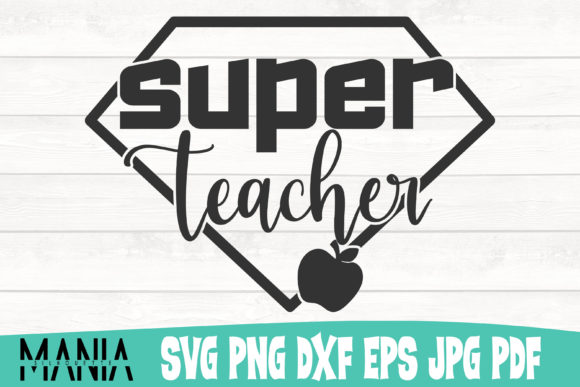
Many users overlook the structural integrity of the files they purchase, focusing solely on the visual preview. A significant advantage of this premium pack is that the pieces are organized by well-defined, continuously tested layers. Beginners often buy cheaper, poorly constructed files where elements are flattened into a single group. This makes customization impossible. If you want to change the color of the apple but keep the text black in a flattened file, you are out of luck.
With the EPS files included in this bundle, users with access to professional editing software like Adobe Illustrator or Adobe Photoshop gain complete control. You can isolate individual elements, recolor them, rearrange components, or even integrate parts of the design into a larger composition. Ignoring the EPS format means missing out on the ability to truly make the design your own. For entrepreneurs creating products for sale, this flexibility is crucial for maintaining a unique brand identity rather than selling the exact same item as everyone else.
Furthermore, the inclusion of DXF files caters specifically to users of older Silhouette machines or those who prefer the precision of CAD-style importing. Skipping over the DXF because you assume the SVG works everywhere can lead to import errors in legacy software. Always check your machine's manual; sometimes the "older" format is actually the more stable choice for specific hardware configurations.
Software Compatibility: Avoiding the Cartridge Trap
A major misconception in the crafting community is the belief that you need expensive proprietary cartridges to access high-quality designs. The beauty of the Super Teacher Svg Cut File Design is its liberation from these limitations. The files are compatible with a vast array of third-party software, including Make The Cut and Sure Cuts A Lot. By relying on cartridges, you limit your creativity to pre-set options and incur recurring costs. Downloadable files offer a one-time investment with endless possibilities.
However, compatibility issues can still arise if you aren't careful about your software version. For example, basic versions of Silhouette Studio do not support SVG imports without an upgrade. A prudent creator checks their software capabilities before purchasing. If you are running a basic version, you would rely on the DXF file included in this pack rather than struggling to force an SVG import. Understanding your toolset prevents the frustration of buying a file you technically cannot use in your current setup.
Beyond cutting machines, the versatility extends to 3D editing software and motion graphics tools like Adobe After Effects. While most users focus on physical prints, recognizing that these vectors can be animated or used in 3D modeling opens new revenue streams for digital marketers and content creators. Limiting your view of the file to just "vinyl cutting" underutilizes the asset's potential.
Quality Control and Practical Application Tips
Even with perfect files, human error during the setup phase can ruin a project. Before sending any design to your cutter, always perform a "digital weed." This involves zooming in on your screen to ensure there are no stray points or overlapping paths, although this pack is noted for having no flaws. It is a good habit to verify that your material settings in the software match the physical material you are loading. Cutting vinyl with settings meant for cardstock will tear your design, while light settings on thick leather will result in incomplete cuts.
When utilizing the PDF file containing all clip arts, remember that this is best for quick previews or printing standard documents, not for cutting. Trying to cut directly from a PDF often leads to scaling issues because PDF viewers sometimes auto-fit pages to the screen or printer paper, altering the dimensions. Always extract the specific SVG or DXF for actual fabrication work.
Finally, consider the end-use environment. If you are creating a design for a baby shirt, the complexity of the cut matters. Intricate details might not adhere well to stretchy fabrics after washing. The layered nature of these files allows you to simplify the design by removing small, fragile elements if necessary, ensuring durability. This proactive adjustment is what separates a amateur-looking craft from a professional-grade product.
In summary, the Super Teacher Svg Cut File Design offers a robust solution for a wide range of creative needs, from education to entrepreneurship. By respecting the differences between file formats, leveraging the power of layers, and matching the right file to the right software, you can avoid common frustrations and produce high-quality results consistently. Take the time to understand your tools, choose the appropriate format for your specific machine, and let the flexibility of these premium files elevate your creative projects.