Unlocking Creative Potential with Inflated 3D Design Mug PNG Assets
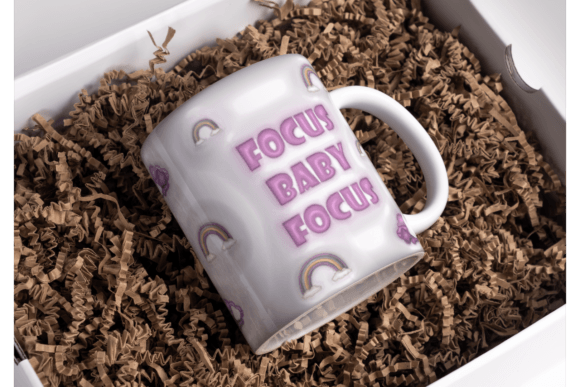
The landscape of personalized merchandise has shifted dramatically in recent years, moving away from mass-produced generic items toward highly specific, creator-driven designs. At the heart of this transformation is the availability of high-quality digital assets that bridge the gap between a creative idea and a physical product. One such asset gaining traction among designers and small business owners is the Inflated 3D Design Mug PNG. This specific type of graphic resource offers more than just a flat image; it provides a visual depth and tactile illusion that elevates standard drinkware into statement pieces. When paired with versatile wrap design templates for self-printing, these files empower users to produce professional-grade results from the comfort of their own workspace.
Understanding the value of these digital files requires looking at how consumer expectations have evolved. Today's market favors uniqueness and high-definition aesthetics. A standard two-dimensional logo or text on a white ceramic surface often feels dated. In contrast, designs that utilize shading, highlights, and perspective—characteristic of an "inflated" or 3D style—capture attention immediately. The Inflated 3D Design Mug PNG serves as a foundational element for creators who want to tap into this trend without needing advanced 3D modeling software. By starting with a pre-rendered, high-resolution portable network graphic, artists can focus on composition and branding rather than getting bogged down in complex rendering processes.
The Shift Toward High-Resolution Self-Printing
The democratization of printing technology has changed how entrepreneurs approach product creation. Previously, creating custom mugs required minimum order quantities from large manufacturers or expensive trips to local print shops. Now, the workflow has inverted. Individuals and small businesses are increasingly opting to handle production in-house or through on-demand services using their own digital files. This shift is driven by the need for agility; being able to test a design, print a single unit, evaluate the quality, and iterate quickly is a massive competitive advantage.
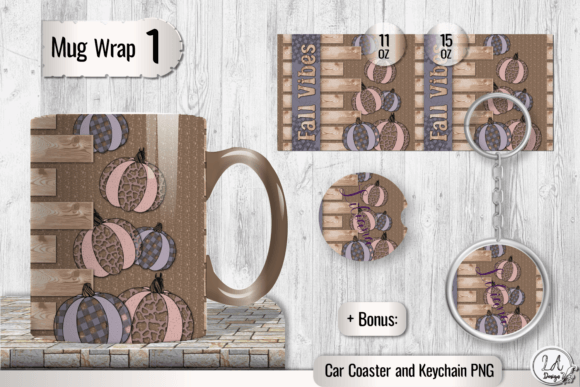
Central to this DIY revolution is the quality of the source file. This is where specifications matter immensely. A typical high-quality offering, such as a wrap design for mugs intended for self-printing, comes with precise dimensions—often around 21 x 11.2 cm—to fit standard 11oz ceramic mugs perfectly. More critically, the resolution must be sufficient to withstand the scrutiny of close-up inspection. Files provided at 300 DPI (dots per inch) ensure that when the image is transferred to the sublimation paper and eventually the mug, the edges remain crisp, colors stay vibrant, and there is no pixelation. Lower resolution files might look acceptable on a computer screen but fail miserably when printed at physical size, resulting in blurry or blocky images that devalue the final product.
Why the "Inflated" Aesthetic Resonates
The term "inflated" in design refers to a stylistic choice where elements appear puffy, soft, and three-dimensional, often resembling balloons or soft plastic. This aesthetic has permeated various sectors of design, from app icons to social media graphics, because it evokes a sense of playfulness and modernity. When applied to mug designs, this style adds a layer of visual interest that flat vector art cannot achieve alone.
For marketers and bloggers, utilizing an Inflated 3D Design Mug PNG allows for the creation of mockups and actual products that feel tangible even before they are held. The psychological impact of 3D elements suggests quality and effort. For a business owner selling coffee blends or a freelancer offering consulting services, a mug with a dynamic, dimensional design acts as a superior branding tool compared to a flat decal. It signals that the brand is current and attentive to detail.
Furthermore, this style bridges the gap between digital and physical realms. As we spend more time in virtual environments, our physical objects often strive to mimic digital richness. The inflated look is inherently digital-native, making it a perfect fit for products that will be photographed and shared on Instagram, TikTok, or Pinterest. The interplay of light and shadow in these PNGs makes them photogenic, encouraging user-generated content which is invaluable for organic marketing.
Practical Applications for Diverse Creators
The utility of these digital wrap designs extends across a wide spectrum of users. For educators and trainers, custom mugs can serve as engaging rewards or classroom tools, featuring 3D characters or motivational quotes that pop off the surface. For corporate professionals, high-end client gifts benefit from the sophisticated look of 3D-rendered logos, conveying a message of premium quality. Even hobbyists find value in these assets, using them to create unique gifts for family members that look store-bought but carry a personal touch.
Consider the workflow of a small Etsy seller. They purchase a digital bundle containing an Inflated 3D Design Mug PNG along with a blank wrap template sized at 21 x 11.2 cm. Using basic editing software, they overlay their specific text or modify the colors of the 3D element to match their shop's branding. Because the base file is already rendered at 300 DPI, they can confidently send this to their sublimation printer. The result is a product that looks like it was designed by a team of graphics experts, yet it was produced in a home office.
This efficiency is crucial in a fast-paced market. Trends change rapidly; what is popular today might be obsolete in six months. Having access to modular, high-quality assets allows creators to pivot quickly. Instead of commissioning a custom 3D artist for every new idea—a process that can take weeks and cost hundreds of dollars—creators can leverage existing high-fidelity PNGs as a base, modifying them to suit immediate needs. This approach lowers the barrier to entry for high-quality product design, fostering a more diverse and innovative marketplace.
Technical Considerations for Optimal Results
While the availability of these files simplifies the design process, understanding the technical nuances ensures the best outcome. The format PNG is chosen specifically for its support of transparency. Unlike JPEGs, which impose a white background that can interfere with sublimation printing, PNGs allow the 3D design to sit cleanly on the mug's surface color or integrate seamlessly with other background patterns. This transparency is vital for achieving a professional finish where the design appears to be part of the mug rather than a sticker placed on top.
When preparing these files for print, color management becomes essential. The vibrant colors seen on a monitor, especially the highlights and shadows that define the "inflated" look, must be translated accurately to the physical medium. Users should ensure their printers are calibrated and that they are using high-quality sublimation papers and inks. The 300 DPI specification is not just a number; it represents the density of information required to reproduce those subtle gradients of light and shadow that give the 3D effect its realism. If the resolution drops, those smooth transitions become banded, destroying the illusion of depth.
Additionally, the dimensions of 21 x 11.2 cm are standardized for a reason. This size accounts for the curvature of a standard cylindrical mug, ensuring that the design wraps around correctly without significant distortion at the edges. Deviating from these proportions without proper warping tools in design software can lead to stretched or compressed graphics. Sticking to provided templates ensures that the Inflated 3D Design Mug PNG sits perfectly within the printable area, leaving appropriate margins for the seam where the wrap meets itself.
Future-Proofing Your Creative Workflow
As we look toward the future of custom merchandise, the line between digital asset and physical product will continue to blur. Technologies like augmented reality may soon allow customers to view these 3D designs in their own space before purchasing, but the foundation will remain the same: high-quality, high-resolution source files. Investing in robust digital libraries now prepares creators for these advancements.
The trend toward self-printing and customization is not a fleeting fad but a structural change in how goods are produced and consumed. Consumers increasingly value the story behind the product and the ability to personalize their environment. By utilizing resources like wrap designs for self-printing and sophisticated 3D PNG assets, creators are not just making mugs; they are participating in a broader movement toward individualized expression and agile manufacturing.
Ultimately, the success of a product often hinges on the details. The difference between a mediocre mug and a bestseller can be the clarity of the image, the depth of the design, and the professionalism of the finish. Tools like the Inflated 3D Design Mug PNG provide the necessary building blocks to achieve that level of excellence. Whether you are a seasoned graphic designer or a novice looking to start a side hustle, leveraging these high-fidelity digital resources allows you to compete on quality, innovate faster, and meet the evolving demands of a discerning audience.
In conclusion, the integration of 3D aesthetics into everyday items like mugs represents a convergence of art, technology, and commerce. It offers a practical solution for creating visually striking products that resonate with modern tastes. By prioritizing high-resolution formats, understanding the technical requirements of sublimation printing, and embracing the flexibility of digital workflows, creators can unlock new opportunities and deliver exceptional value to their customers. The era of generic drinkware is fading, replaced by a vibrant ecosystem where creativity is limited only by one's imagination—and the quality of their digital assets.