Unlocking Creativity with Wooden Phone Laptop Stand Template 617
There is a distinct satisfaction in creating something functional with your own hands, especially when that item serves a daily purpose on your desk. The Wooden Phone laptop Stand Template 617 represents more than just a digital file; it is a gateway to crafting an extraordinary and nice colorful accessory that bridges the gap between utility and art. Whether you are a seasoned woodworker, a hobbyist with a new laser cutter, or an entrepreneur looking for unique gift ideas, this template offers a versatile foundation. However, diving into digital fabrication without a clear plan can lead to wasted materials and frustration. Understanding the nuances of this specific design is crucial for turning a simple download into a high-quality finished product.
Understanding the Versatility of Template 617
At its core, this template is designed for flexibility. It is not merely a static image but a comprehensive package containing SVG files, AI files, PDF files, PNG files, and DXF files. This variety ensures compatibility with almost any software or machine you might be using, from professional-grade laser cutters to home CNC routers and even standard printers for paper prototyping. The design itself features multiple styles, allowing anyone to use it for any purpose, whether that is organizing a chaotic workspace or creating a heartfelt gift for friends and loved ones.
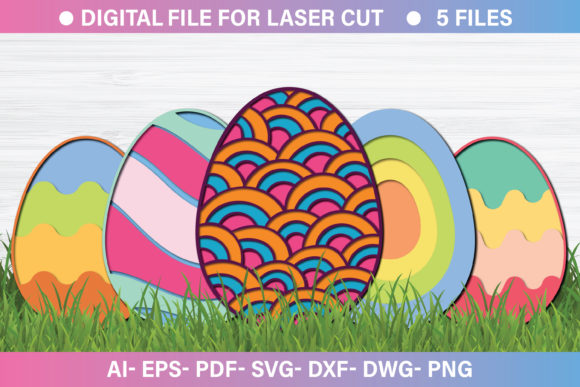
The "colorful" aspect mentioned in the design description often trips up beginners. In the context of wooden stands, color usually implies one of two things: the use of different wood veneers layered together or the application of paint and stain after cutting. A common mistake is assuming the digital file automatically translates to a multi-colored physical object without additional steps. If you download the file expecting the wood to come pre-colored, you will be disappointed. The real magic happens when you select contrasting woods, such as walnut paired with maple, or when you carefully apply finishes to highlight the geometric patterns inherent in the design.
Avoiding Common Material and Scaling Errors
One of the most frequent oversights when working with templates like Wooden Phone laptop Stand Template 617 is neglecting material thickness. Digital files are often drawn for a specific nominal thickness, such as 3mm or 1/4 inch. If your plywood is actually 3.2mm or your hardwood board varies slightly, the slots may be too tight to assemble or too loose to hold weight. This mismatch affects stability and usability, potentially causing your phone or laptop to slip. Before cutting, always measure your material with calipers. Most vector software allows you to scale the entire design slightly to compensate for kerf (the width of the cut) and material variance. Taking five minutes to test-fit a small section can save an entire sheet of expensive wood.
Another area where creators stumble is grain direction. Wood is anisotropic, meaning its strength varies depending on the direction of the grain. When cutting structural components like the base or the support arm of a laptop stand, aligning the grain against the stress points is vital. If the grain runs parallel to a thin connecting tab, that tab is likely to snap under the weight of a heavy laptop. A better approach is to orient your parts on the material sheet so the grain runs perpendicular to potential break points. This simple adjustment significantly enhances the durability and longevity of your stand.
Maximizing File Formats for Your Workflow
Receiving five different file formats is a luxury, but using the wrong one can complicate your workflow. For laser cutting, DXF or SVG files are typically the gold standard because they preserve precise vector paths. Using a PNG file for cutting is a critical error; PNGs are raster images made of pixels. If you attempt to cut from a PNG, the machine may interpret the edges as jagged steps rather than smooth curves, resulting in a rough, unprofessional finish. Reserve PNGs for previewing the design or creating marketing materials for your finished product.
Similarly, AI files are excellent if you intend to modify the design in Adobe Illustrator. Perhaps you want to add a personalized engraving or adjust the angle of the phone holder. However, if you are using open-source software like Inkscape, importing an AI file can sometimes cause layering issues. In such cases, the SVG version is often more robust. Always open your chosen file and inspect the layers before sending it to your machine. Ensure that cut lines are set to a specific color (often red) and engrave lines to another (often black), as this distinction prevents the machine from trying to cut through the material when it should only be etching the surface.
Elevating the Final Product for Gifting and Sales
If you plan to use this creative design as a gift or a product for sale, the finishing process is where you separate amateur work from professional quality. Sanding is non-negotiable. Laser cutting leaves behind burn marks and soot on the edges of the wood. While some enjoy the rustic look, a stand that holds a phone needs to be smooth to avoid scratching the device. Use fine-grit sandpaper to gently remove char marks, and consider applying a food-safe oil or beeswax finish. This not only protects the wood from moisture and oils from hands but also brings out the natural grain, making the "colorful" contrast between wood types pop.
Furthermore, consider the ergonomics of the final assembly. The template offers many styles, but not every style suits every user. A stand that looks beautiful might position a laptop screen too low, causing neck strain. Before gifting or selling, assemble a prototype and test it with actual devices. Check the viewing angles and ensure there is enough clearance for charging cables. Adding small rubber feet to the bottom of the stand is a minor detail that greatly improves stability and prevents sliding on smooth desks. These small touches demonstrate thoughtfulness and care, increasing the perceived value of the item.
Making the Right Decision Before You Start
Before downloading or purchasing Wooden Phone laptop Stand Template 617, evaluate your current tools and skill level. Do you have access to a laser cutter, or will you need to outsource the cutting? If outsourcing, ensure the service provider accepts the file format you choose. Also, consider the end-user. Are they tech-savvy enough to assemble a flat-pack style stand, or do they need a pre-assembled unit? Understanding these factors helps you decide whether to sell the kit as a DIY project or a finished good.
In conclusion, this template is a powerful resource for creators who pay attention to detail. By respecting material properties, choosing the correct file formats, and focusing on high-quality finishing, you can transform a digital download into a tangible asset. Whether for personal use, a thoughtful present, or a small business venture, the potential lies in how well you execute the details. Avoid the rush to cut immediately; instead, plan your material usage, check your measurements, and refine your finishing technique. The result will be a sturdy, attractive stand that truly deserves the title of extraordinary.