Evaluating 3D Online Shop Illustration for Modern Digital Projects
In the current landscape of digital design, the shift from flat, two-dimensional graphics to immersive three-dimensional assets has become a defining trend. Among these assets, 3D Online Shop Illustration has emerged as a versatile resource for creators aiming to enhance user engagement. Whether you are developing a mobile application, crafting a presentation, or designing a comprehensive website template, the choice of visual style significantly impacts how your audience perceives your brand. This article explores the specific characteristics of high-quality 3D shop illustrations, compares them against other visual approaches, and helps you determine if this format aligns with your project requirements.
Defining the Asset: What Makes 3D Shop Illustrations Distinct?
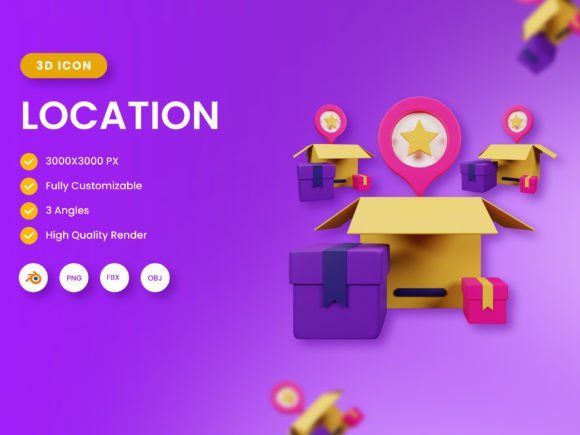
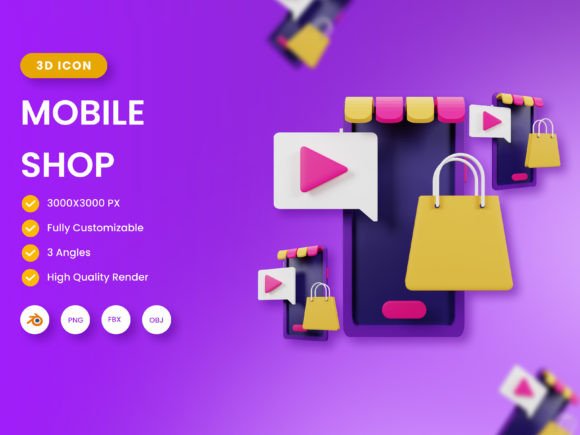
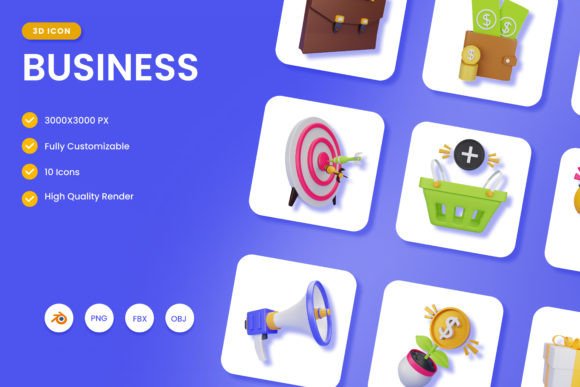
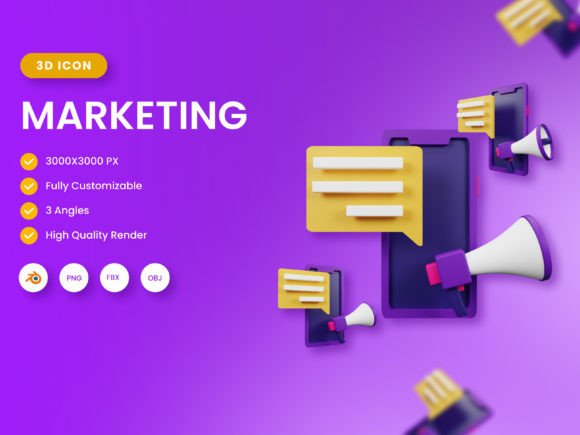
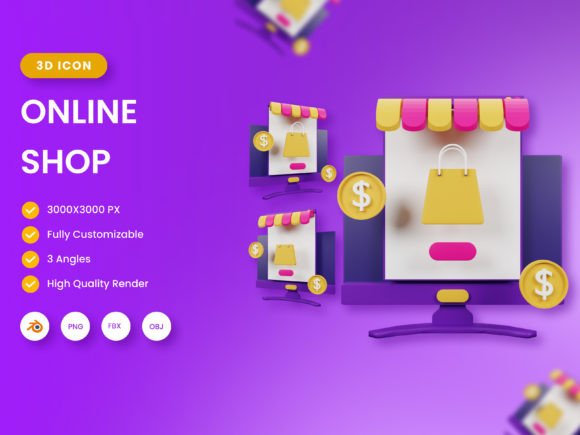
A 3D Online Shop Illustration is not merely a static image; it is a constructed digital environment that mimics real-world retail spaces with depth, lighting, and texture. Unlike traditional vector icons or stock photography, these illustrations are rendered from three-dimensional models, allowing for a level of realism and stylistic control that flat designs often lack. The distinct advantage lies in the ability to manipulate the scene. Because the source files are often available in formats like BLEND (Blender), FBX, or OBJ, designers are not locked into a single perspective.
High-quality renders in this category typically boast resolutions such as 3000x3000 px, ensuring crisp details even on high-density retina displays. The "shop" theme usually includes recognizable elements like shelving units, product displays, shopping carts, and checkout counters, all stylized to fit a cohesive aesthetic. This makes them particularly effective for e-commerce platforms where the context of buying and selling needs to be communicated instantly without cluttering the interface with complex photography.
Comparative Analysis: 3D Illustration vs. Flat Design and Photography
When evaluating visual resources, it is essential to weigh 3D Online Shop Illustration against common alternatives like flat vector art and stock photography. Each approach serves different functional and emotional goals.
- Vs. Flat Vector Graphics: Flat design remains popular for its simplicity and fast load times. However, it can sometimes feel generic or overly abstract. A 3D illustration adds a tactile quality that flat icons cannot replicate. While vectors are excellent for scalability and minimalism, 3D assets provide a sense of presence and modernity that can make a project feel more premium. The trade-off is file size; a rendered PNG from a 3D scene will be larger than an SVG, though optimization techniques can mitigate this.
- Vs. Stock Photography: Real photos offer authenticity but often suffer from lighting inconsistencies, distracting backgrounds, or a lack of stylistic unity. Curating a set of photos that all match a specific brand color palette is difficult. In contrast, a fully customizable 3D illustration allows you to adjust colors, materials, and lighting to match your brand guidelines exactly. Furthermore, 3D assets avoid the legal complexities and model release issues often associated with photography featuring people.
- Vs. Pure 3D Modeling from Scratch: Building a shop scene from zero requires significant time, expertise in software like Blender or Maya, and rendering power. Purchasing or utilizing a pre-made 3D Online Shop Illustration package offers a middle ground. You get the benefits of 3D without the hundreds of hours of modeling work, provided the asset comes with the necessary source files for modification.
The Importance of File Formats and Customizability
One of the most critical factors in choosing a 3D resource is the flexibility it offers post-purchase. A static PNG image is useful for immediate deployment in presentations or infographics, but it limits future adaptability. For professionals who need to iterate on designs, access to the Blender File Format (BLEND) is invaluable.
Having the source file means you can change the camera angle beyond the standard views provided. While a package might include 3 Angles—perhaps an isometric view, a front-facing perspective, and a side profile—the ability to rotate the camera in the native 3D software allows for infinite possibilities. You can add your own products to the shelves, change the wood texture of the counter to match your logo, or alter the lighting to simulate day or night. Formats like FBX and OBJ ensure compatibility with other industry-standard tools such as Unity, Unreal Engine, or Cinema 4D, broadening the utility of the asset beyond just web design.
Practical Use Cases and Best-Fit Scenarios
Understanding where 3D Online Shop Illustration fits best can prevent misallocation of design resources. These assets shine in specific contexts:
- Website Hero Sections: A high-quality render serves as an engaging focal point on a landing page, immediately communicating the nature of the business (retail) without needing extensive copy.
- Mobile Application Onboarding: When introducing users to a shopping app, 3D visuals can guide the eye and explain features in a friendly, non-intimidating way.
- Analytical Reports and Infographics: Data regarding sales trends or consumer behavior becomes more digestible when accompanied by relevant 3D imagery that breaks up text-heavy slides.
- Pitch Decks and Presentations: Investors and stakeholders often respond well to polished, professional visuals that suggest a high level of attention to detail.
However, there are scenarios where this approach may not be ideal. If your primary constraint is extremely fast page load speeds on low-bandwidth networks, heavy 3D renders might need significant compression, potentially sacrificing the high-quality render aspect. Additionally, if your brand identity is strictly rooted in minimalism or brutalism, the soft, rounded, and colorful nature of many modern 3D shop illustrations might clash with your established voice.
Decision Factors: Strengths, Tradeoffs, and Limitations
Making an informed decision requires a clear understanding of the strengths and limitations inherent in using pre-made 3D assets.
Strengths: The primary benefit is the "ready-to-use" nature of high-resolution assets. With resolutions reaching 3000x3000 px, you have ample room for cropping and resizing. The aesthetic appeal is undeniable; 3D elements tend to increase dwell time on websites and improve click-through rates due to their novelty and visual richness. The availability of multiple angles and file formats ensures longevity; the asset can evolve with your project.
Tradeoffs: The main tradeoff is the learning curve if you intend to edit the source files. While the PNGs are plug-and-play, utilizing the BLEND or FBX files requires knowledge of 3D software. If you lack these skills, you are limited to the pre-rendered views unless you hire a 3D artist. Additionally, while customizable, pre-made assets may still require tweaking to feel truly unique, as other designers may be using the same base models.
Limitations: Despite being "fully customizable," there are bounds to what can be changed easily. Rigging characters or creating complex new animations within a static scene can be time-consuming. Furthermore, consistency is key; if you mix this 3D style with other disparate visual styles (like hand-drawn sketches), the final product may look disjointed.
Final Considerations for Project Integration
Integrating a 3D Online Shop Illustration into your workflow is a strategic choice that balances aesthetic ambition with practical utility. It is an excellent solution for teams looking to elevate their visual identity without the budget of a full-scale 3D production house. By leveraging assets that offer high resolution, multiple angles, and open file formats, you gain the flexibility to adapt the visuals as your project grows.
Before finalizing your choice, consider your technical constraints and design goals. If you need a quick, polished look for a presentation or a website template, the pre-rendered PNGs are sufficient. If you are building a long-term brand asset library where consistency and adaptability are paramount, investing in the full package with source files is the prudent path. As the digital space becomes increasingly crowded, the depth and clarity offered by quality 3D illustration can be the differentiator that captures your audience's attention.
Ultimately, the value of these illustrations lies in their ability to tell a story. A well-chosen 3D shop scene does more than decorate a page; it sets a tone, establishes trust, and guides the user journey. Whether for analytical reports or interactive mobile apps, the right visual resource transforms abstract concepts into tangible experiences.