Mastering the Neon Text Effect for Professional Design Workflows
In the landscape of modern digital design, visual hierarchy often dictates user engagement. Whether you are crafting a social media banner, designing a merchandise line, or producing a video thumbnail, the ability to make text pop is essential. The Neon Text Effect has evolved from a niche retro aesthetic into a staple of contemporary graphic design. It offers a high-contrast, luminous quality that captures attention immediately. However, achieving a professional-grade neon look manually in software like Adobe Photoshop can be time-consuming and technically demanding. This is where pre-built resources, specifically those featuring 3D neon typography, become invaluable assets in a creator's toolkit.
Integrating a high-quality neon text resource into your workflow is not merely about applying a filter; it is about streamlining the production process while maintaining artistic control. A robust graphic resource typically provides a quick and easy possibility to apply a high-quality effect style to your text, artwork, or logo. By leveraging smart object technology, designers can bypass the complex layer styling, blending modes, and glow calculations that usually accompany neon effects. This efficiency allows professionals to focus on the broader creative strategy rather than getting bogged down in technical execution.
Understanding the Technical Foundation
To effectively utilize these tools, one must understand what lies beneath the surface. A premium neon text package is more than just a flattened image; it is a structured environment designed for flexibility. The core of this utility lies in Smart Objects. When you download a resource containing six PSD files and corresponding image previews, you are receiving a non-destructive editing framework.
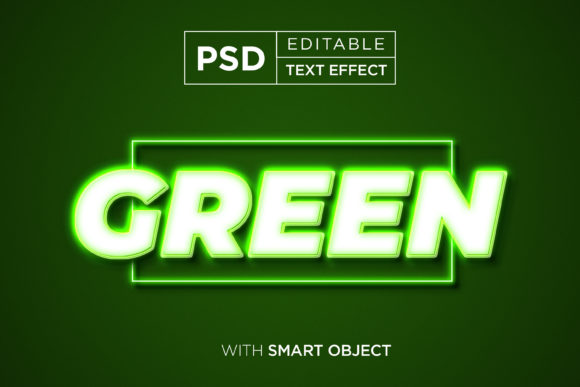
The process is straightforward yet powerful. You can use the effect on simple text, shapes, and vector logos. The workflow requires you to simply replace the placeholder content within one of the smart objects and click save. The main composition automatically updates, wrapping your specific content in the intricate 3D lighting, textures, and glow defined by the original artist. This method ensures that the integrity of the 3D neon typography remains intact regardless of the input, provided the aspect ratios and complexities are managed correctly.
Furthermore, organization is key to professional efficiency. High-quality packs come with well-organized layers, often totaling around 100 editable elements. This level of granularity means you are not stuck with a "one-size-fits-all" result. You can tweak individual components of the glow, adjust the intensity of the 3D depth, or modify the background ambiance to suit your specific brand guidelines. Having access to high-resolution outputs, such as 3000x2000 pixels, ensures that the final asset is crisp whether it is viewed on a retina display or printed on large-format media.
Strategic Integration Across Projects
The versatility of the neon text effect allows it to fit seamlessly into various stages of a project lifecycle. It can be employed during the conceptual phase to mock up ideas quickly, or in the final production stage to polish deliverables. Below are several practical applications where this tool adds significant value:
- Digital Marketing Assets: For social media managers and marketers, consistency and speed are vital. Creating Facebook covers, YouTube channel art, Twitter headers, and promotional banners requires visuals that stand out in crowded feeds. A 3D neon style provides the necessary contrast against dark modes and busy backgrounds, increasing click-through rates.
- Branding and Identity: Logos often need variations for different contexts. A standard flat logo might work on a business card, but a website hero section or a presentation deck might demand more visual weight. Applying a neon effect to a vector logo can create a dynamic "night mode" version of a brand identity, perfect for tech startups, gaming clans, or entertainment venues.
- Entertainment and Media: In the realm of video production and event promotion, cartoon titles and movie titles benefit immensely from the cinematic quality of neon. The glow and depth mimic real-world signage, adding production value to independent films, YouTube intros, and Twitch overlays without the need for expensive 3D rendering software.
- Print and Merchandise: While neon is inherently digital, its application extends to print. Poster designs, flyers, and placards using high-resolution neon effects create a striking physical presence. Furthermore, this aesthetic translates exceptionally well to apparel. T-shirt designs and clothing graphics featuring bold, glowing typography are perennial bestsellers in streetwear and casual fashion markets.
- Personal and Corporate Communication: Even traditional items like greeting cards or internal corporate presentations can be elevated. A well-executed neon headline can transform a standard slide deck into a memorable visual experience, aiding in information retention during pitches or educational sessions.
Optimizing the Workflow for Efficiency
Adopting a resource-based approach to special effects changes how a designer plans their week. Instead of allocating hours to build a single effect from scratch, that time is reinvested into layout, copywriting, and strategy. The "edit and save" loop facilitated by smart objects reduces the cognitive load associated with technical adjustments.
When preparing to use these files, compatibility is a primary consideration. Ensure your version of Photoshop supports the specific smart object features used in the pack. Most modern versions handle these seamlessly, but keeping software updated prevents rendering errors. Additionally, understanding the limits of the smart object is crucial. While they are highly flexible, extremely complex vector paths or tiny text sizes may not interact with the 3D lighting engine as intended. It is advisable to test your specific logo or text string early in the process to verify legibility and aesthetic balance.
Consistency across a campaign is another factor where organized layers play a pivotal role. If you are producing a series of Instagram stories or a set of event posters, you can save your customized layer settings as a library item or simply duplicate the master PSD. This ensures that the hue of the neon, the angle of the light, and the intensity of the bloom remain uniform across all assets, reinforcing brand recognition.
Quality Control and Long-Term Utility
The longevity of a design asset depends on its resolution and adaptability. A resource offering 3000x2000 pixel dimensions provides a safe margin for cropping and resizing. For web use, this allows for sharp display on high-DPI screens. For print, while not a substitute for vector-based output in massive formats, it suffices for standard marketing collateral like flyers and greeting cards when printed at appropriate DPI settings.
Maintenance of these files is minimal but important. Store the original six PSD files and the six image preview files in a dedicated asset library. Tag them with relevant keywords such as "neon," "3D," "typography," and "smart object" to ensure they are retrievable for future projects. Over time, building a collection of such specialized effects creates a personal design system that accelerates turnaround times for client work.
It is also worth noting the collaborative aspect. When working with a team, handing over a file with well-organized layers and smart objects facilitates smoother feedback loops. A client or project manager can easily swap out text to review copy variations without risking the destruction of the underlying effect. This democratization of the editing process empowers non-designers to make minor updates while preserving the artistic integrity of the piece.
Final Thoughts on Implementation
The Neon Text Effect is more than a trend; it is a functional design element that solves specific visibility and engagement challenges. By utilizing a comprehensive graphic resource complete with smart objects, high resolution, and organized layers, creators can elevate their output significantly. Whether the goal is to design a compelling YouTube cover, launch a new clothing line, or create an eye-catching movie title, the integration of these tools simplifies the path from concept to completion.
Success in this area comes from treating these resources not as shortcuts, but as foundational blocks upon which unique creativity is built. The technology handles the heavy lifting of lighting and texture, freeing the human mind to focus on message, composition, and audience connection. As the digital space becomes increasingly saturated, the ability to produce high-quality, distinct visuals efficiently will remain a critical skill for entrepreneurs, marketers, and artists alike.