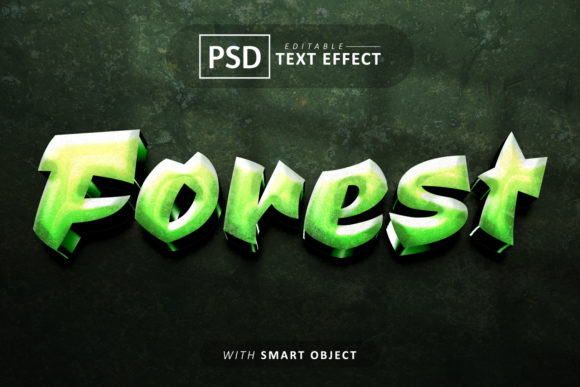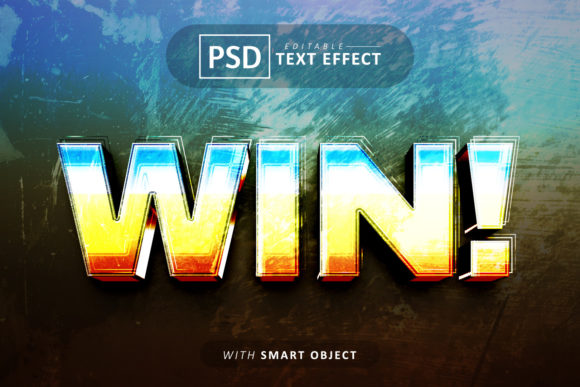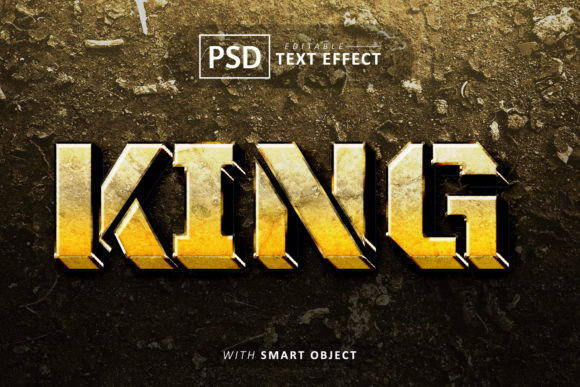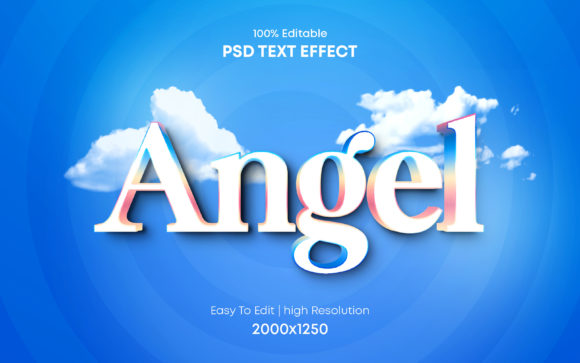
Unlocking Creative Potential with the Player 3D Text Effect Editable Template
In the fast-paced world of digital design, time is often the most scarce resource. Whether you are a seasoned graphic designer juggling multiple client deadlines or a content creator looking to elevate your social media presence, the pressure to produce high-quality visuals quickly is constant. This is where tools like the Player 3d Text Effect Editable come into play. It isn't just a file; it's a shortcut to professional-grade aesthetics without the hours of manual rendering in complex 3D software. By leveraging pre-built smart objects and well-organized layers, this template allows users to swap text, change fonts, and even insert logos instantly, transforming a generic idea into a polished asset in minutes.
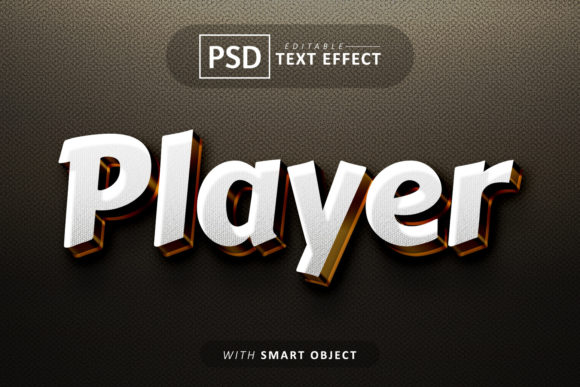
The core appeal of this resource lies in its accessibility. You don't need to be a 3D modeling expert to achieve depth, lighting, and texture that look expensive. The template is built on the foundation of smart objects, a powerful feature in Photoshop that preserves an image's source content with all its original characteristics. When you double-click the smart object layer, you are taken to a separate document window where you can type your new text or paste your logo. Once you save that window, the main composition updates automatically, applying all the complex shadows, bevels, and environmental reflections you see in the preview. This workflow eliminates the guesswork of lighting angles and material properties, ensuring consistency every single time.
Real-World Applications Across Industries
The versatility of the Player 3d Text Effect Editable means it finds a home in vastly different professional scenarios. For the gaming industry, specifically streamers and eSports teams, branding is everything. A streamer launching a new season needs thumbnails that pop against the cluttered background of Twitch or YouTube. Using this template, they can generate a bold, three-dimensional title for their "Live Now" graphics or create a striking intro card for their highlight reels. The ability to resize objects without losing quality is crucial here, as assets often need to be adapted for vertical stories on Instagram, horizontal banners on Twitter, and full-screen overlays on OBS.
Beyond gaming, the marketing and advertising sector benefits immensely from such tools. Consider a small business owner running a flash sale. They need an eye-catching graphic that conveys urgency and value. A flat, two-dimensional font might get lost in a user's feed, but a rendered 3D text effect commands attention. With this template, a marketer can input "50% OFF" or "Summer Sale," apply a commercial-use font that matches their brand identity, and have a campaign-ready image before their morning coffee gets cold. The well-organized layers allow for fine-tuning; perhaps the shadow needs to be softer, or the background color needs to align perfectly with the company's hex codes. Because the layers are logical and named, even a junior designer can make these adjustments without breaking the composition.
Event planners and concert promoters also find unique value in these editable PSD files. When promoting a music festival or a local club night, the typography often sets the tone for the entire event. A heavy, metallic 3D effect might suit a rock concert, while a glossy, vibrant finish could be perfect for a summer pool party. Instead of commissioning a custom 3D artist for every single flyer—which can be cost-prohibitive for smaller events—organizers can use this template as a base. They can replace the placeholder text with the headliner's name or the event date. The inclusion of commercial-use fonts in the package further simplifies the legal landscape, ensuring that the final output is safe for paid advertisements and printed merchandise.
Navigating Customization and Design Choices
While the ease of use is a major selling point, getting the most out of the Player 3d Text Effect Editable requires a bit of design intuition. The template offers 100% editable text and fonts, but the choice of typography matters significantly when working in 3D. Not all fonts translate well to three dimensions. Thin, delicate script fonts might lose their structural integrity when extruded, whereas bold, sans-serif, or slab-serif fonts tend to hold the 3D effect better, showcasing the depth and lighting more dramatically. Users should experiment with different typefaces included in the package or their own licensed fonts to see how the light interacts with the letterforms.
Another critical consideration is the context of the background. The JPEG preview provided with the template gives a hint of the potential, but the real magic happens when you integrate the text into your specific project environment. Since the objects can be resized without losing quality, you have the freedom to place the text in the foreground of a busy photograph or center it on a minimalist gradient. However, one must remain mindful of contrast. A dark 3D text effect might look stunning on a light background but could disappear entirely if placed over a similarly toned image. The layered structure allows you to add adjustment layers—like curves or levels—specifically to the text group to ensure it remains legible regardless of the backdrop.
Furthermore, the option to replace the text with a logo opens up avenues for brand identity work. Many startups struggle to afford high-end 3D logo reveals for their websites or app splash screens. By utilizing the smart object feature to swap the text layer with a vector logo (rasterized at a high resolution), businesses can achieve a premium look. It is important, however, to check the complexity of the logo. Intricate logos with fine lines may not render as cleanly in a heavy 3D style as simpler, iconic marks. Testing different angles and lighting presets within the PSD can help mitigate this, allowing the user to find the sweet spot where the brand recognition meets the stylistic flair of the effect.
Technical Advantages and Workflow Efficiency
From a technical standpoint, the organization of the file is what separates a usable template from a frustrating one. The Player 3d Text Effect Editable boasts well-organized layers, which is a blessing for anyone who has ever inherited a messy PSD file. Groups are likely labeled clearly, separating the background, the text effects, the shadows, and the global lighting adjustments. This structure not only speeds up the editing process but also makes the file future-proof. If you need to revisit the project six months later to update the date or change the slogan, you won't waste time hunting for the right layer.
The high-quality unique design of the template ensures that you aren't producing something that looks like a generic filter applied in seconds. The textures, reflections, and ambient occlusion are baked in with a level of detail that suggests hours of rendering time. For freelancers, this translates directly to higher profit margins. You can charge a premium for a "custom 3D design" while delivering the work in a fraction of the time it would take to build from scratch. For in-house teams, it means maintaining a consistent visual language across campaigns without burning out the creative department.
It is also worth noting the scalability of the assets. In today's multi-platform ecosystem, an image created for a website header might need to be repurposed for a billboard or a mobile notification. Because the template relies on smart objects and vector-based scaling principles where possible, the resolution holds up. You aren't stuck with a pixelated mess when you stretch the image to fit a larger canvas. This flexibility is essential for brands that need to maintain crisp visuals across devices ranging from smartwatches to 4K monitors.
Ultimately, resources like the Player 3d Text Effect Editable represent a shift in how we approach digital creation. It democratizes high-end visual effects, putting tools that were once reserved for specialized studios into the hands of creators, marketers, and small business owners. By understanding its capabilities, respecting its design constraints, and leveraging its organizational strengths, users can unlock a new level of visual storytelling. Whether it's for a gaming thumbnail, a retail advertisement, or a brand logo, the ability to edit, customize, and deploy professional 3D text instantly is a game-changer in the modern creative workflow.