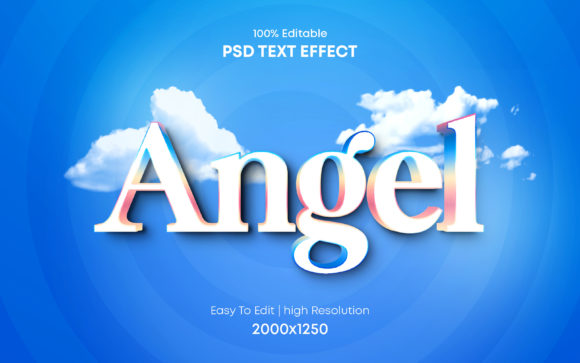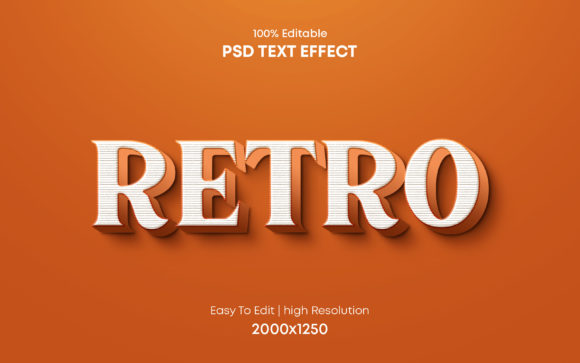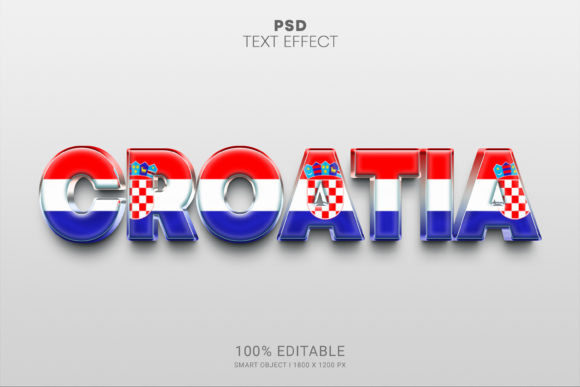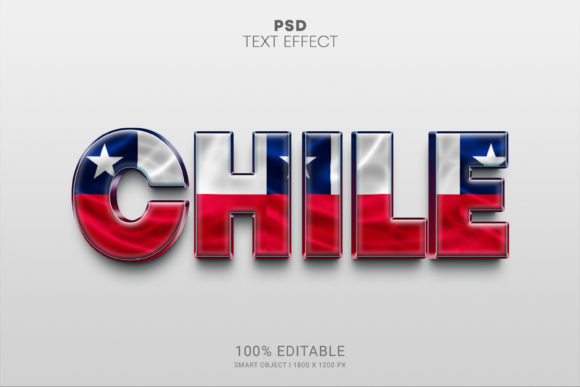
Unlocking Visual Depth: A Guide to the 3d Deluxe Text Effect
In the fast-paced world of digital design, capturing attention within seconds is paramount. Whether you are a business owner crafting a logo, a content creator designing thumbnails, or a professional graphic designer working on a branding campaign, the typography you choose often dictates the success of your visual communication. Flat design has had its moment, but there is a timeless appeal to depth, dimension, and tactile realism. This is where the 3d Deluxe Text Effect comes into play, offering a sophisticated solution for creators who need high-impact visuals without the steep learning curve of manual 3D modeling.
Redefining Efficiency in Graphic Design
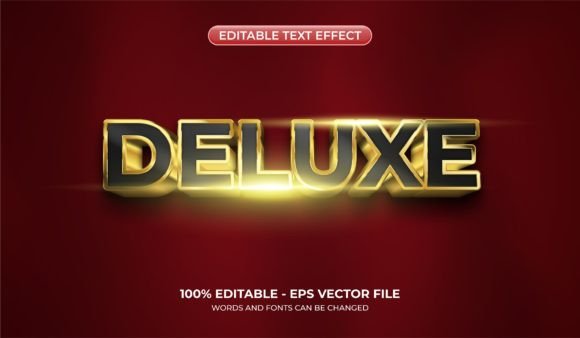
The core philosophy behind the 3d Deluxe Text Effect is simplicity meeting power. Traditionally, creating convincing three-dimensional text in vector software required hours of meticulous work. Designers had to manually extrude shapes, calculate lighting angles, apply gradient meshes, and adjust perspective grids. It was a process prone to error and incredibly time-consuming. This tool changes that narrative entirely. It is designed as an easy-to-use text effect where you can change the font and type only by clicking and editing. This immediacy allows designers to iterate rapidly, testing dozens of variations in the time it used to take to create just one.
What makes this approach particularly valuable is its flexibility. With over 100 fully editable options, words and fonts are easy to change, ensuring that the effect never feels repetitive or cookie-cutter. You are not locked into a specific aesthetic; instead, you have a vast playground of stylistic choices at your fingertips. Whether you need a glossy, candy-like finish for a food brand or a rugged, metallic look for an industrial logo, the adaptability of this system supports a wide range of creative directions.
The Power of Vector-Based Scalability
One of the most critical technical aspects of this tool is that it relies on Vector Design. In the realm of professional graphics, vector files are the gold standard. Unlike raster images (pixels), which become blurry and pixelated when enlarged, vector graphics use mathematical paths to define shapes. This means that text created with the 3d Deluxe Text Effect can be scaled from a tiny favicon on a website to a massive billboard on the side of a skyscraper without losing a single ounce of crispness or detail.
This scalability is essential for modern branding. A logo needs to work equally well on a business card and a trade show banner. By utilizing a vector-based text effect, you future-proof your designs. You ensure that no matter where your client's brand appears, the typography remains sharp, professional, and impactful. This eliminates the common frustration of having to recreate assets because the original file resolution was too low for a new medium.
Understanding the Mechanics: Styles vs. Fonts
A common point of confusion for those new to advanced typography tools is the distinction between a font and a text effect. It is important to clarify that this is not a font. Instead, it is just a text effect that can be applied to a font that is already installed on your desktop. This distinction is crucial for understanding how to integrate it into your workflow.
Because it functions as an overlay or a style rather than a replacement for your typeface library, you retain complete freedom over your typographic choices. You can use your favorite licensed fonts, free Google Fonts, or custom lettering you have drawn yourself. The effect simply wraps around the existing geometry of the letters. This means you do not need to purchase or install new typefaces to achieve the look; you simply apply the style to what you already have. This compatibility makes it an incredibly cost-effective and efficient addition to any designer's toolkit.
Beyond Typography: Applying Styles to Objects
While the primary use case is obviously text, the versatility of Adobe Illustrator's Graphic Styles allows for much broader application. The 3d Deluxe Text Effect can be saved into Graphic Styles in Adobe Illustrator, and these styles can be applied to objects other than text. This opens up a world of creative possibilities.
Imagine you have designed a custom icon or a complex geometric shape that needs to match the dimensional style of your headline. Instead of trying to manually replicate the lighting and extrusion settings, you can simply click the saved Graphic Style, and the object instantly adopts the same 3D characteristics. This ensures absolute consistency across your design elements. Whether you are styling a button for a web interface, adding depth to a infographic element, or creating a cohesive set of social media stickers, the ability to transfer these complex effects to non-text objects streamlines the entire production process.
Technical Requirements and Compatibility
To make the most of these advanced features, having the right software environment is essential. You must use Adobe Illustrator CC 2017 or above to open this file. The reliance on newer versions of the software ensures that you have access to the latest rendering engines and style management tools that make these effects possible. Older versions may lack the specific capabilities required to render the complex gradients, shadows, and extrusions that define the "deluxe" quality of the effect.
For professionals, this requirement is rarely a hurdle, as staying updated with creative cloud software is standard practice. However, for hobbyists or small business owners managing their own graphics, it serves as a helpful reminder to check their system specifications before purchasing or downloading asset packs. Ensuring compatibility upfront prevents frustration and guarantees that the final output matches the high-quality previews often associated with these tools.
Real-World Applications and Scenarios
So, where exactly does the 3d Deluxe Text Effect shine? The applications are nearly endless, spanning various industries and media types.
- Digital Marketing: Social media managers can create eye-catching posts that stop the scroll. The depth and color richness of 3D text perform exceptionally well on platforms like Instagram and LinkedIn.
- YouTube and Video Content: Thumbnail artists rely heavily on bold, dimensional text to convey excitement and urgency. This effect allows for rapid creation of consistent thumbnail templates.
- Packaging Design: Mockups for product packaging often require realistic text to simulate how a logo will look on a physical box or bottle. Vector 3D effects provide the necessary realism without needing a full 3D render suite.
- Gaming and Esports: Team logos and tournament banners frequently utilize aggressive, stylized 3D typography to convey energy and competition.
Evaluating Suitability for Your Projects
While the benefits are clear, it is also wise to consider when this tool is the right fit. If your project demands a strictly minimalist, flat aesthetic—common in some sectors of tech and finance—a heavy 3D effect might feel out of place. However, for brands looking to express personality, fun, luxury, or intensity, the 3d Deluxe Text Effect is an invaluable asset.
Furthermore, the ease of editing makes it ideal for projects with tight deadlines. When a client asks for a last-minute change to the tagline or a shift in the color palette, the ability to click and edit means you can deliver revisions almost instantly. This responsiveness builds trust with clients and reduces the stress associated with rush jobs.
In conclusion, the fusion of vector precision, editable flexibility, and stunning visual depth makes this text effect a standout resource. It bridges the gap between amateur experimentation and professional polish, allowing creators to focus less on the technical mechanics of lighting and extrusion and more on the creative message they wish to convey. By leveraging tools that simplify complexity, designers can elevate their work, ensuring that every word they publish carries the weight and presence it deserves.